




Speakers
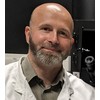
Dr. Vibor Laketa
Vibor obtained his PhD at the European Molecular Biology Laboratory (EMBL), Heidelberg, Germany where he worked on automated microscopy setups for high-content screening approaches and their application in investigating diverse cellular processes. After the PhD he continued his research as a staff scientist at the EMBL where he operated at the interface between advanced light microscopy, robotics, chemical biology and cell biology. In 2013. he joined Department of Infectious Diseases (now Center for Integrative Infectious Disease Research, CIID) in Heidelberg to establish the microscopy infrastructure under the enhanced biosafety conditions (BSL2/BSL3) to enable imaging on infectious human pathogens. As head of Infectious Diseases Imaging Platform (IDIP) he is mentoring the advanced light microscopy-based research projects in CIID and German Center for Infection Research (DZIF). He is enthusiastic about teaching diverse aspects of light microscopy technologies and digital image handling and believes that through knowledge we can achieve better society.

Dr. Holger Lorenz
Holger is a cell and molecular biologist educated at the Universities of Göttingen and Munich (LMU), Germany. He did his postdoc research at the National Institutes of Health, NIH, USA, in Dr. Jennifer Lippincott-Schwartz’s lab with a focus on advanced light microscopy of subcellular processes. After having spent a couple of years in the optical industry, he joined in 2008 the Center of Molecular Biology (ZMBH) at the University of Heidelberg to set up a core facility for advanced imaging. He serves as head of the core facility to support researchers with light microscopy - ranging from basic to superresolution/nanoscopy - and image analysis/processing applications. Holger has been active in developing microscopy applications to determine protein topologies and sub-locations, and he has a long track record of teaching digital image analysis to under- and postgraduates. His courses cover all aspects of image processing including the ethically- and quantitatively-correct use of existing analysis tools and goal-oriented software programming.
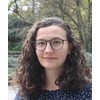
Dr. Severina Klaus
Severina studied in Heidelberg where she also obtained her PhD in parasitology in 2022. Since then she is splitting her time working as a research scientist in virology and working as a microscopy application specialist in the Infectious Diseases Imaging Platform (IDIP) at the Center for Integrative Infectious Disease Research (CIID) in Heidelberg. Her work covers basic aspects of cell biology and infectiology and centers around advanced microscopy approaches with a focus on live-cell imaging, super-resolution microscopy and image analysis